

How to Choose the Best Headphones
Headphones let you listen to music without disrupting others. However, with all the choices available, it can be hard to decide on the right pair for you.
Research has shown that listening to music during the work day can increase productivity. Using headphones to keep distractions at bay can help you concentrate.
Comfort
It is crucial to have headphones that you can wear for a long duration. If the headphones aren't snug enough, they can cause pain in the ears or around the head, especially if used for long gaming sessions or listening to music.
It is crucial to test them before you purchase the headphones. The degree of comfort will be determined by your head's shape and size. If you're unable to test the headphones in person, make sure to check out the return policy of the retailer you purchase the headphones from. Many retailers offer hassle-free returns and exchanges on items that have been purchased on the internet.
Headphones that are stuffed with padding and soft materials that feel nice to the touch usually offer a good level of comfort. The padding is important for headphones that rest on your head and ears. It helps distribute pressure evenly. We seek padding that is thick, dense, and plush, as well with a uniformly smooth. Pads covered with soft and breathable velour faux leather, or microfibre have a higher chance of being more comfortable than pads made from plastic, mesh fabric, or foam.
The fit of the ear cups around the ears is also crucial. Fixed ear cups can cause discomfort in this area, as they can exert a rigid, unnatural clamping force. This can lead to fatigue and pain after prolonged use. The most effective earcup design allows the pads to move vertically and laterally over the ears. This gives them some flexibility.
Avoid wearing headphones that are too tight on the head as they can cause headaches. This could be due to the weight of the headphones rubbing against the scalp, a tight headband, or poorly-designed headphones that aren't properly positioned on the ears. Also, headphones with loose padding can become uncomfortable after prolonged use because the padding gets worn down or moves around.
Noise-Cancelling
Noise cancelling headphones are the best choice if you want to listen to music, audiobooks or podcasts or make calls while at work. These headphones come with ear cups designed to block out any background noise. They come in both over-ear and in-ear models. These headphones have built-in mics which allow you to talk with others.
The noise-canceling capabilities of headphones are built around two technologies that operate in different ways such as passive noise isolation and active noise cancellation. Both technologies can help reduce background noise however, each has its own advantages and drawbacks.
Passive noise isolation is the most commonly used type of noise cancellation and involves the physical blockage of external noise. You've probably seen the large bulky headphones that wrap around your ear and are padded in order to muffle surrounding sounds. They don't provide the same amount of flexibility, however they do require you to remove the headphones in order to be able to hear what's happening around you.
In-ear and over-ear noise-canceling headphones are more complex because the technology needs to be integrated inside the ear cups and electronics. Noise-canceling headsets feature processors and microphones that can monitor the environment using sensors built into the. The microphones listen for sounds and analyze them with the onboard software. The processors create a "fingerprint" of the noise and create an anti-sound signal that is played back to cancel the background sound.
This is achieved by creating a wave 180 degrees off from the incoming sound, so it blocks it out, so you only hear your audio. headphone stores is fed through the speakers of your headphones and then played to you over your regular audio.
The most advanced headphones come with an onboard sensor which monitors the surroundings and adjusts noise cancellation accordingly. The amount of ANC can be adjusted using an adjustment slider within the headphone app or on the device itself. It can be completely turned off so that you can hear what's going on around you. This technology is the most effective at reducing low-frequency noises like the hum of airplane engines or traffic. Noise-canceling technology is less efficient in reducing high-frequency sounds like a conversation, a sneeze or the hum of airplane engines.
Immersion
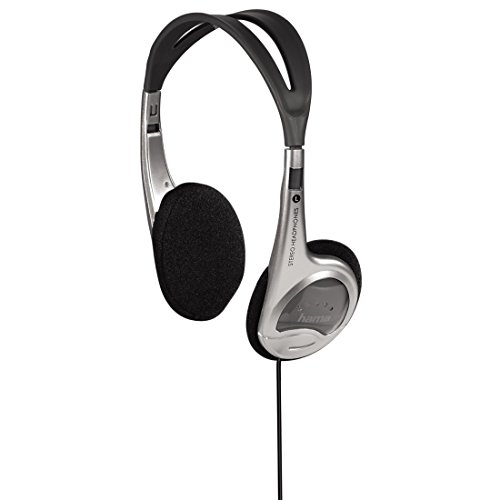
Headphones are electroacoustic transmitters worn on or around the head to transmit and amplify audio signals. They permit one person to listen to an audio source at a distance without disturbing anyone else in contrast to loudspeakers that broadcast sound for everyone to hear.
Manufacturers of headphones create headphones with various features to meet different users' requirements. Certain headphones have microphones that allow for two-way communication as well as active noise cancellation that reduces ambient sound while listening music or using your mobile phone. Certain headphones come with high-end audio drivers which provide high-quality audiophile sound.
Some models of headphones are designed for use on the go, so they can be used away from stationary audio equipment like a CD player, home theater system, or personal computer. They are typically small enough to fit in a bag or carry-on luggage for travel, and can be powered by battery power. They can also connect to other devices with an earphone jack that is standard which includes mobile phones as well as personal digital assistants (PDAs).
Many types of headphones can muffle ambient noises by blocking them from the ear with active or passive noise cancellation. Noise isolation is a feature that is commonly found in circumaural and over-ear headphones, whereas active noise cancellation is typically only available in closed-back headphones. Other types of headphones can protect the ear from external noises by generating vibrations in their inner ear. Bone conduction headphones are an instance.
In addition to their capacity to reproduce bass and sub-bass frequencies, headphones can provide a level of sound fidelity that is higher than loudspeakers, because of their direct connection with the human ear. They are typically smaller and the diaphragms of earphones can be much thinner than those of a speaker, which enables them to move a larger volume of air to produce the same perceived loudness.
Bone conduction headsets don't have the traditional headband or ear cups, but instead use bone-conducting technologies that transfer audio frequencies from the ear's outer to the inner ear via the jawbone and cheekbone. They are an alternative to traditional headphones that can be used in noisy environments, such as in a library or on a plane.
Health
In a world flooded with products designed to grab attention, headphones allow you to block out any distracting sounds and keep focused on your work. This can improve your mood and make it easier to finish a boring job or work day.
Headphones can also be useful for listening to podcasts and audiobooks. They can be useful for language learners that require hearing the words being spoken. They can also be helpful for people who are unable to fall asleep in noisy environments.
There are some health issues associated with headphones, however. Too loud sounds can cause hearing damage and long-term use can lead to tinnitus. To avoid these effects, limit the time you listen to music with headphones and play at a moderate level.
Many have reported vertigo and dizziness when wearing active noise cancelling (ANC) headphones. This is because the absence of sound can disturb the balance mechanism in your ears. This helps your brain to determine where your body is located in space.
You should think about whether headphones are the right choice for your workplace. You may have to communicate with colleagues or customers according to your job. Wearing headphones could make it difficult to do this. Additionally there are security concerns when using headphones in the workplace.
Headphones can cause neck, shoulder back, and neck pain when worn for long durations. This is because you tend to keep the device close to your head, which could cause unnecessary strain on these regions of your body. A study conducted by the headset maker Plantronics found that headset users experience 35 percent more shoulder and neck strain than people who don't use headsets.
Another issue with headphones is they can expose you to EMF radiation. Wireless headphones have the traditional plug that is plugged into an audio source, and the sound is transmitted through the metal wires to hubs of plastic that house external speakers. The headphones emit a low energy form of electromagnetic radiation which can cause harm to your health. Air tube headphones are a revolutionary type of headset that can reduce the exposure to EMF radiation by eliminating wires made of steel.